
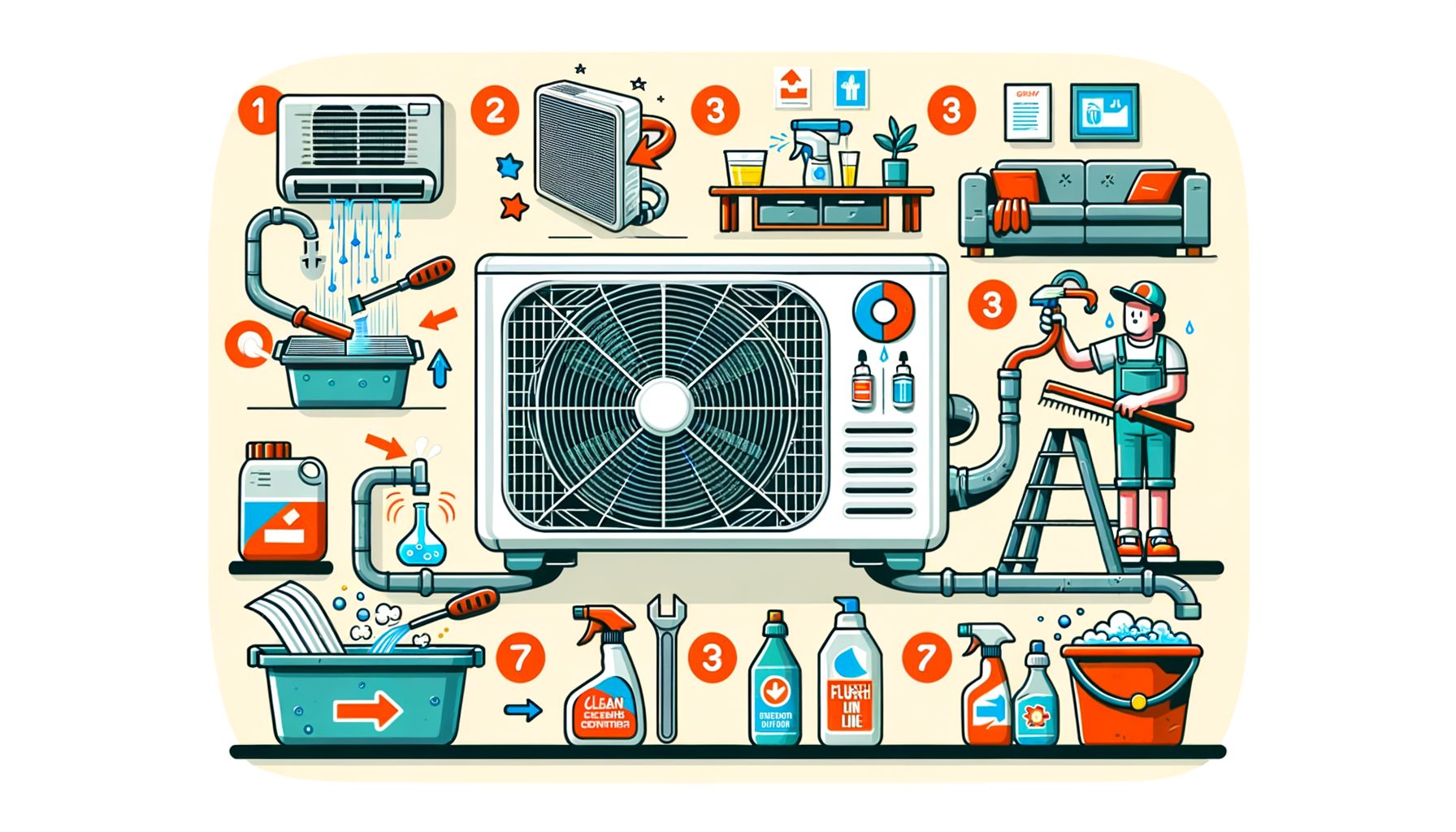
Bad smells from your AC can make a clean room feel sour in minutes. If you’ve noticed musty, sour, or “dirty sock” odors when the system starts, you’re not alone—and you don’t need a costly overhaul to fix it. Here’s how to Eliminate Air Conditioner Odors with simple, safe steps you can do today, plus smart habits that keep the fresh-air feeling all season. Whether you rely on a central system, a mini-split, or a window unit, the solutions below are practical, affordable, and work worldwide.
Why Your Air Conditioner Smells: Common Causes and Quick Diagnostics
In most cases, AC odors trace back to moisture, dust, or microbial growth—things your cooling system naturally collects. When warm air hits a cold evaporator coil, condensation forms. If that moisture doesn’t drain away or if air filters and coils stay dirty, organic particles can support mold or bacteria. The result is the infamous musty or “dirty sock” smell. A clogged condensate drain line often plays a role as well, leaving water to sit in the pan. Stagnant water not only smells; biofilm can develop and ride the airflow through your home.
Different scents tell different stories. A burnt or electrical odor might be dust scorching on a heating element (in combined systems) or an overheating component—address immediately. A sweet or chemical note could hint at refrigerant issues—rare but serious—so call a licensed professional. A sewer-like smell sometimes means a nearby plumbing trap has dried out and is venting into the return. Homes near smokers or kitchens can also feed absorbed odors into the AC until filters and coils are cleaned. What’s interesting too, textiles and walls can hold smells that the system keeps recirculating.
Quick checks help before you take anything apart. Start by confirming the source: stand near the return grille (where air is pulled in) and the supply vents (where air blows out). If the odor peaks at startup and fades, microbial growth on the coil is a likely suspect. If it’s constant, look at filters, the drain, and nearby contributors like trash, damp rugs, or a bathroom with a dry floor drain. For mini-splits and window units, remove the front panel to assess the filter and coil surface. A gray, fuzzy coating suggests dust—and possibly mold; rust-brown residue in the pan or slime in the drain area points to drainage problems.
Here’s a real-world snapshot: a studio apartment with a window AC in a humid city smelled musty every night. The filter looked clean, yet the condensate drain channel was packed with lint, trapping water under the coil. Ten minutes of clearing and a fresh filter removed the odor within a day. Small fixes can create big changes.
| Smell | Likely Cause | Check First |
|---|---|---|
| Musty/earthy | Mold or mildew on coil, dirty filter, damp ducts | Filter, coil face, condensate pan and drain line |
| Stale/sour “dirty sock” | Bacterial growth on the evaporator coil | Coil cleanliness, indoor humidity, run-time patterns |
| Burnt/electrical | Overheating component or dust scorch | Shut power, inspect blower and wiring; consider pro help |
| Sewer-like | Dried plumbing trap near a return | Add water to the floor drain/condensate trap |
| Chemical/sweet | Possible refrigerant problem | Power down and call a licensed HVAC technician |
Step-by-Step: How to Eliminate Air Conditioner Odors Today
Before you begin, shut the system off at the thermostat and breaker. Gloves and a mask are a smart idea if visible mold is present. The plan is simple: restore clean airflow, remove standing water, clean the coil, then dry the system thoroughly with a fan run.
Gather your tools: microfiber cloths, a soft brush, a vacuum with a brush attachment, a new filter, white vinegar (or a mild coil cleaner), a small funnel, a wet/dry vacuum for drain lines, and a screwdriver. For central and mini-split systems, a no-rinse evaporator coil cleaner works well. For window units, mild soap and water typically suffice—avoid harsh, perfumed chemicals that leave residue.
- Swap or wash the air filter. For disposable filters, install the correct size with a reasonable MERV rating (8–11 suits many homes). Washable filters should be rinsed with warm water, dried fully, and reinstalled. A clogged filter is a top odor driver and can raise energy use by 5–15% according to energy agencies.
- Unclog the condensate drain. On central AC, find the PVC drain line near the indoor unit. Use a wet/dry vacuum on the outside drain exit for 2–3 minutes to pull out sludge. Then pour about a cup (250 ml) of white vinegar into the upstream access (or into the pan) to discourage biofilm. For window units, ensure a slight outward tilt so water drains outdoors and clear debris from the drip channel.
- Clean the condensate pan. Remove standing water with towels, then wipe the pan using a 1:3 vinegar-to-water solution. Confirm the float switch (if present) moves freely.
- Refresh the evaporator coil. Apply a no-rinse coil cleaner on central or mini-split coils; for window units, gently brush and wipe. Don’t bend fins; if they’re bent, a fin comb can straighten them to restore airflow.
- Dust the blower and cabinet. Carefully vacuum dust from the blower housing and nearby surfaces, taking care around wiring. Less dust means fewer odors recirculating.
- Dry everything thoroughly. After reassembly, set the fan to “On” (cooling off) for 20–30 minutes to move dry air across the coil. It’s a crucial step in breaking the moisture cycle that fuels odors.
- Neutralize lingering smells safely. Place an open box of baking soda near the return grille (not inside the unit) for a day or two. Then this: avoid fragrance-heavy sprays inside the AC—they only mask odors and can deposit residue on the coil.
For mini-splits, open the front panel, wash the mesh filters, and apply a coil-safe cleaner to the evaporator. Many brands include small drain hoses that clog easily; a flexible brush or a light flush with vinegar and water removes algae. Well, here it is: ozone generators should be avoided—they can irritate lungs and damage materials.
Tip: In humid climates, run a dehumidifier nearby or switch the AC to “dry” mode periodically. Keeping indoor relative humidity around 40–50% curbs mold growth and the microbes behind most odors.
Keep It Fresh: Maintenance Schedule, Costs, and Smart Habits
Once odors are gone, keep them away with a light, steady routine. A simple schedule prevents most smell problems and often pays you back with lower energy use and fewer breakdowns.
Monthly (or more often during heavy use): check the filter. In dusty or urban areas, pets or smoke can load a filter quickly. Replace disposables when they look gray or after 30–60 days. Wash reusable filters monthly and dry completely before reinstalling. A clean filter protects the coil, reduces odor, and improves efficiency.
Seasonally: clear the condensate drain and give the coil a gentle clean. Pour a cup of white vinegar into the drain access at the start of the cooling season and mid-season. Inspect the condensate pan for slime. Outside, keep vegetation and dust away from the condenser (for split systems) so the whole system can breathe.
Annually: schedule a professional maintenance visit if you can. A technician can deep-clean the coil, check refrigerant levels, measure airflow, and test electrical components. It’s especially helpful if odors return despite good habits or if you’ve had water leaks. In many regions, a routine service visit is modest compared to emergency repairs.
Cost snapshot (typical ranges; vary by country and brand): disposable filters roughly USD $5–$30 each; DIY coil cleaner about $10–$20; a pro cleaning and tune-up $100–$250; drain cleaning $75–$200; full duct cleaning (if needed) higher and not always necessary. For many homes, the best ROI is simply staying on top of filters and drains. The U.S. Department of Energy notes that replacing a dirty filter can cut energy consumption by 5–15%, which adds up over a cooling season, especially where electricity rates are high.
Smart habits that help anywhere: vacuum and dust regularly so your filter doesn’t shoulder all the work; ventilate bathrooms and kitchens well; avoid smoking indoors; and keep return grilles clear of furniture. If indoor air stays drier, cleaner, and well-circulated, the coil remains cleaner and the chance of odors drops dramatically. For guidance on indoor air quality, see reputable resources like the U.S. EPA Indoor Air Quality hub and mold basics from the CDC. For energy-saving maintenance tips, check the Energy Saver guide.
Q&A: Fast Answers to Common AC Odor Questions
Q1: My AC smells musty only when it starts. What does that mean?
Most often, microbial growth sits on the evaporator coil. Clean or replace the filter, clear the drain, and use a coil-safe cleaner. Afterward, run the fan only for 20–30 minutes to dry the coil. If the smell persists, a deeper professional cleaning is the next step.
Q2: Is vinegar safe to pour into the AC drain?
Yes. White vinegar—diluted or straight—is a common way to break down slime in the condensate drain. About one cup usually does the trick. Don’t mix vinegar with bleach or other chemicals, and keep liquids away from electronics.
Q3: How often should I change my filter to prevent odors?
Check monthly and replace every 30–60 days during heavy use. Homes with pets, smokers, or city dust often need more frequent changes. Washable filters should be cleaned monthly and dried completely before going back in.
Q4: Do essential oils or air fresheners fix AC smells?
They only mask the odor and can leave residue on the coil. Focus on the causes: clean the filter, coil, and drain, and improve ventilation. If you want a light scent, use it in the room—not inside the AC.
Conclusion: Fresh Air Starts With Simple, Repeatable Habits
Unwanted AC smells are more than a nuisance—they signal moisture and dust building up where air should stay clean and dry. You’ve learned how to pinpoint the cause, from clogged drains to dirty filters and coils. You also have a clear, step-by-step plan to eliminate odors now: replace or wash the filter, clear the drain line, clean the pan and evaporator coil, and run the fan to dry the system. Finally, a simple maintenance routine—monthly filter checks, seasonal drain clears, annual tune-ups—will keep your air fresher and your energy bills lower.
Act today: set a 15-minute timer, turn off your unit, and swap the filter. While you’re there, pour a cup of white vinegar into the drain and wipe the condensate pan. Then run the fan to dry everything. If odors linger, schedule a professional maintenance visit and describe the specific smell—it helps technicians zero in on the most likely source immediately.
If indoor air feels like a daily battle, remember you’re not starting from zero. Small, consistent actions make the biggest difference. A cleaner filter and a clear drain can transform how your home smells and feels in a single afternoon. Bookmark this guide, share it with a friend who keeps complaining about musty vents, and keep your AC on a simple schedule that just works.
You deserve a home that smells as fresh as it looks. Ready to Eliminate Air Conditioner Odors for good and breathe easier every day? Start now, keep it simple, and enjoy the difference—one clean breath at a time. What’s the first step you’ll take today?
Sources and Further Reading
U.S. Environmental Protection Agency: Indoor Air Quality
U.S. Centers for Disease Control and Prevention: Mold Basics
U.S. Department of Energy: Maintaining Your Air Conditioner
ASHRAE: Standards and Guidelines (ventilation and filtration)