
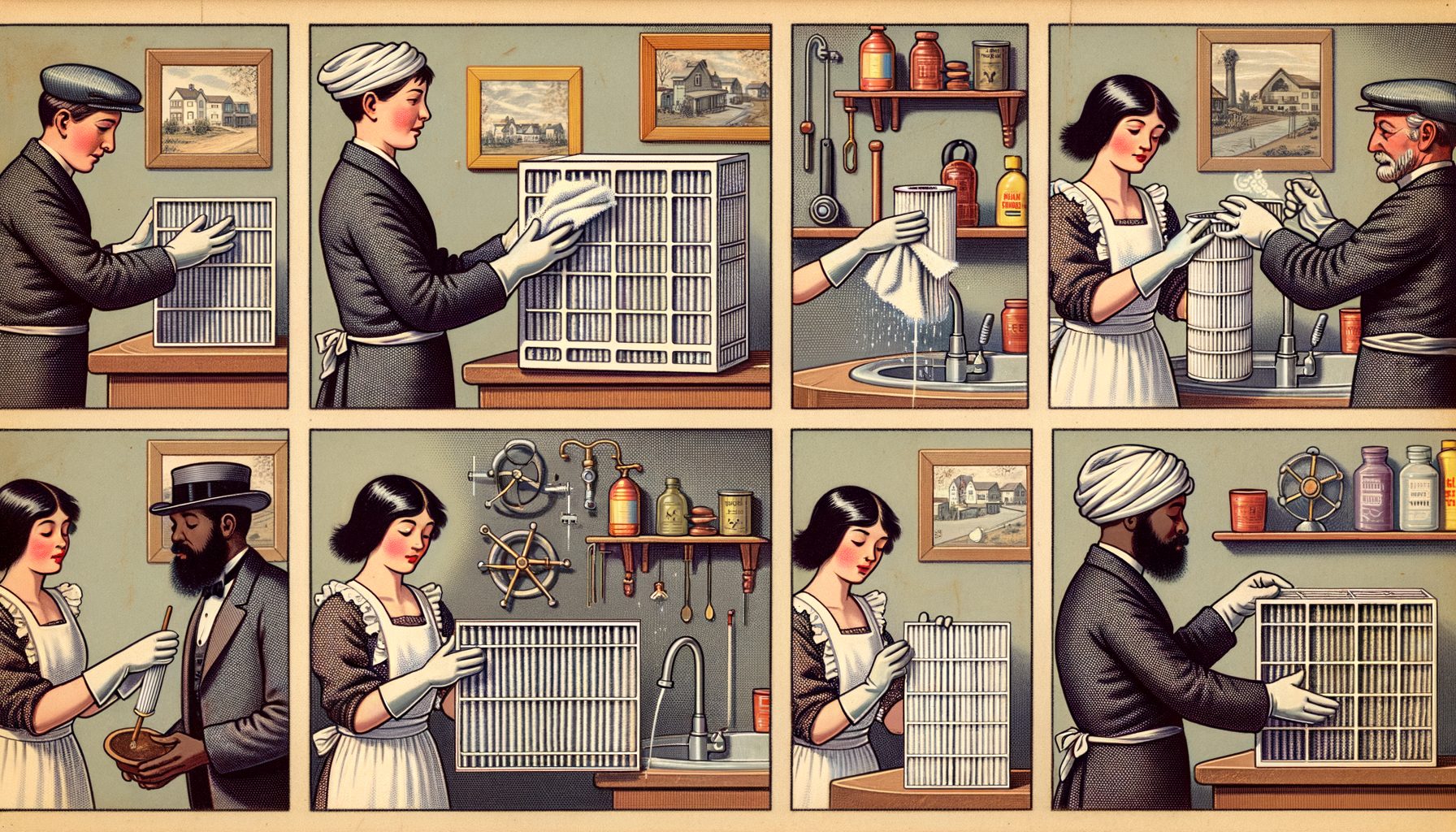
Weak airflow, a dusty smell, and a creeping energy bill often share one overlooked culprit: a clogged filter. Learning to clean your AC filter at home is fast, inexpensive, and genuinely effective. Expect better cooling, cleaner air, and lower electricity use. Well, here it is: a clear step-by-step process, practical tips, a simple timeline for cleaning or replacing, and straight answers to the most common questions.
Why a Dirty AC Filter Is Costing You Real Money (and Comfort)
Think of your AC’s filter as the bouncer at the door—catching dust, pet hair, and pollen before those particles reach coils or your lungs. When it gets dirty, airflow drops. The system then runs longer and harder to hit the same temperature, which wastes energy and shortens equipment life. The U.S. Department of Energy estimates that routinely replacing or cleaning filters can cut air conditioner energy use by roughly 5–15%. Over a hot season, that’s money back in your pocket.
Comfort slides too. Restricted airflow creates hot-and-cool spots: distant rooms warm up while areas near the unit feel fine. Musty odors may appear. Dust gathers faster on furniture. Allergies may flare. What’s interesting too, homes with pets, indoor smoking, or nearby traffic and construction load filters even faster. If neglected long enough, debris bypasses the filter and coats the evaporator coil—acting like a blanket, reducing efficiency, and setting you up for costly service calls.
Air quality also gains from clean filtration. Finer particles are captured more effectively when a filter isn’t clogged, which matters for anyone with asthma or seasonal allergies. In one quick weekend check for a friend’s small apartment unit, simply vacuuming and washing a reusable mesh filter boosted measured vent airflow by about 18% (via a basic phone anemometer). The AC sounded calmer and reached the set temperature minutes sooner. Bottom line: if it’s been a month or more since your last check, you’re probably paying for comfort you aren’t getting. Time to clean that filter.
What You Need and Quick Safety Checks Before You Start
A few basic tools and a brief safety check prevent damage—to your filter, to the unit, and to your lungs.
Tools and supplies:
– Soft brush or microfiber cloth for loose dust
– Vacuum with a brush attachment
– Mild dish soap (no bleach, no harsh solvents)
– A basin or sink (or a garden hose with gentle pressure)
– Clean towels or a drying rack
– Optional: gloves and a dust mask (recommended if you’re sensitive to dust)
Identify your filter type first:
– Washable/reusable filters (often plastic mesh in window and mini-split units) can be washed with water and mild soap.
– Disposable filters (common in central HVAC return grilles) are never washed; they’re replaced. They’re usually paper/fiberglass with a cardboard frame and a MERV rating on the edge.
Safety checks:
– Power off the unit. For window and mini-split systems, switch off at the unit and unplug if possible. For central systems, turn the thermostat to Off and, if working at a return grille, switch off the breaker.
– Check your manual. Filter locations and removal methods vary. A quick search of the model number usually turns up a PDF on the manufacturer’s site.
– Protect delicate parts. Filters slide out; evaporator fins do not. Avoid poking tools into the unit beyond the filter slot. If you see thin metal fins, don’t touch them.
– Have a backup plan. Discover a disposable filter but no replacement? Close the slot and run the system minimally until you can get one. Then this: never operate an AC without a filter—debris can reach the coil fast.
With tools in hand and safety handled, you’re ready to clean the filter quickly and without damage.
Step-by-Step: How to Clean Your AC Filter at Home
These steps cover most window units, ductless mini-splits, and reusable filters in some central systems. If your filter is disposable, skip to step 10 and replace it—don’t wash it.
1) Turn off power. Protect yourself and the equipment.
2) Access the filter. On window and mini-split units, open the front panel via tabs or a gentle pull. On central systems, find the return grille (large wall or ceiling vent) and release the latch.
3) Remove the filter carefully. Note airflow arrows and orientation so you can reinstall correctly.
4) Pre-clean dry dust. Move to a sink, tub, or outdoors. Tap gently to knock loose dust, then vacuum both sides with a soft brush attachment to cut down on mess before rinsing.
5) Wash with mild soap. For washable mesh, rinse from the cleaner side out toward the dirty side so debris gets pushed out, not deeper in. Use lukewarm water plus a tiny bit of mild dish soap. Avoid high-pressure sprays that can tear mesh.
6) Tackle stubborn spots. A soft brush can loosen sticky dust on the intake side. Don’t scrub so hard that the mesh or frame warps.
7) Rinse thoroughly. Keep going until the water runs clear—leftover soap attracts dust later.
8) Let it dry completely. Shake off excess water and stand the filter upright on a towel or rack with good airflow. Sunlight helps, but don’t bake it. Most dry in 30–90 minutes. Reinstalling while damp invites mildew and odors.
9) Clean the surrounding area. Wipe the front panel, return grille, and nearby surfaces so dust doesn’t drop right back into the filter.
10) Reinstall or replace. For disposables, insert a new filter with the airflow arrow pointing toward the unit. For washable mesh, once fully dry, reinstall in the original orientation.
11) Reset reminders. Some units have a filter indicator; reset it. Otherwise, set a calendar reminder—every 30 days during peak use is a smart start.
Pro tips and common mistakes to avoid:
– Skip bleach and strong cleaners; they can degrade filter media and leave residues. If you spot mold on plastic mesh, scrub with soap and water and dry completely; if it returns, replace the filter and address moisture.
– Don’t force-dry with high heat; frames can warp. Air-dry instead.
– Never wash a paper/fiberglass disposable filter; it will collapse, shed fibers, and lose efficiency.
– Considering a higher MERV filter in a central system can help, but only if your blower can handle the added resistance. Check your manual or consult a pro.
How Often to Clean or Replace the Filter (With a Simple Table)
Frequency depends on climate, lifestyle, and unit type. As a rule, check monthly during heavy cooling. Wash reusable filters whenever they look gray or fuzzy. Replace disposables every 1–3 months based on conditions. The goal is steady airflow and clean air—before performance slips.
Use this quick guide to set your schedule:
| Home situation | Filter type | Clean/Replace frequency | Notes and expected energy impact |
|---|---|---|---|
| Small household, no pets, mild climate | Washable mesh or MERV 6–8 disposable | Check monthly; clean/replace every 2–3 months | Often saves 5–10% vs. neglected filters |
| Urban area with dust/traffic | Washable mesh or MERV 8–11 disposable | Check every 3–4 weeks; clean/replace every 1–2 months | Noticeable air-quality gains; savings up to ~15% possible |
| Home with one or more shedding pets | Washable mesh or MERV 8–11 disposable | Check every 2–3 weeks; clean/replace monthly | Fur loads filters fast; a vacuum pre-clean helps a lot |
| Allergies or asthma present | MERV 11–13 disposable (central systems) | Check every 2–3 weeks; replace every 1–2 months | Better particle capture; verify your system can handle the MERV |
| Near construction, wildfire smoke, or dusty season | Washable mesh or MERV 11–13 disposable | Check weekly during events; clean/replace as needed | Heavy short-term loading; clogs can happen in days |
These ranges are estimates; results depend on your equipment and local rates. Consistency matters most. A clean filter preserves design airflow, keeps coils cleaner, steadies humidity control, and reduces noise. For central systems, ensure your blower can support higher MERV ratings—too much restriction can backfire. When unsure, check the manual or consult a certified technician.
FAQs About Cleaning Your AC Filter
Q: Can I run my AC without a filter for a short time?
A: Strongly discouraged. Even brief operation without a filter can pull dust and fibers directly onto the evaporator coil and into the blower. That buildup insulates the coil, cuts efficiency, and may cause drainage problems. If you’re caught without a replacement, run minimally and buy one ASAP.
Q: Should I use vinegar or bleach to clean a reusable filter?
A: Mild dish soap and water usually do the job. Vinegar can help with odor, but rinse thoroughly to avoid lingering smell. Skip bleach on filters—it can damage materials and isn’t needed for routine care. If you suspect mold on a plastic mesh filter, scrub with soap and water and dry fully. If odors persist or the media looks compromised, replace the filter and address moisture (clogged drains, poor ventilation).
Q: How long should a washed filter dry before reinstalling?
A: Plan on 30–90 minutes depending on airflow and humidity. The filter must be completely dry to prevent mildew and smell. Stand it upright on a rack or towel so air can move through. If humidity is high, place it near a fan to speed drying. Avoid high heat that can warp frames.
Q: Can I upgrade to a HEPA filter in my central AC?
A: Most residential systems aren’t designed for the resistance of true HEPA without modifications. Opt for a higher MERV (11–13) that your blower can support. Check the equipment manual or have a pro evaluate static pressure and airflow. For room-level HEPA, consider a standalone purifier sized for your space.
Q: What are signs I should replace (not clean) a filter?
A: Replace disposables on schedule or sooner if they look dark gray, warped, torn, or smell persistent. For washable filters, replace if the mesh is damaged, frames are bent, or odors remain after thorough cleaning and drying. The cost is small compared with the efficiency and health benefits.
Conclusion: A Small Habit That Pays You Back Every Month
Here’s the big picture: keep the filter clean and you keep air moving, energy use down, equipment protected, and breathing easier. You now know how to identify the filter type, gather simple tools, clean it safely step-by-step, and set a realistic schedule. You also know when to replace instead of wash—and how to avoid pitfalls like harsh chemicals or reinstalling it damp.
If you’re at home, you can likely finish today in under an hour, drying time included. Turn off the unit, remove the filter, vacuum loose dust, wash if it’s washable, and dry completely before reinstalling. For disposables, swap in a fresh one with the airflow arrow pointing toward the unit. Then this—set a monthly reminder. Consistency beats perfection.
Next steps you can take right now:
– Create a recurring calendar reminder for “Check AC filter” every 30 days in hot months.
– Order two spare disposable filters in the correct size so you never run without one.
– Snap a photo of the filter label (size, MERV) and save it for easy reorders.
– If you have allergies or pets, consider the highest MERV your system supports.
You don’t need to be a technician to keep your cooling healthy—just build a simple, repeatable habit. Clean your AC filter at home, protect your comfort and your budget, and enjoy cleaner air all season. Ready to feel the difference? Go check your filter now. What date are you putting on the calendar for the next check-in?
Sources:
– U.S. Department of Energy: Maintaining Your Air Conditioner
– ENERGY STAR: Maintain Your Air Conditioner
– ASHRAE: Filtration and Disinfection
– CDC: Mold Cleanup
– WHO: Indoor Air Pollution