
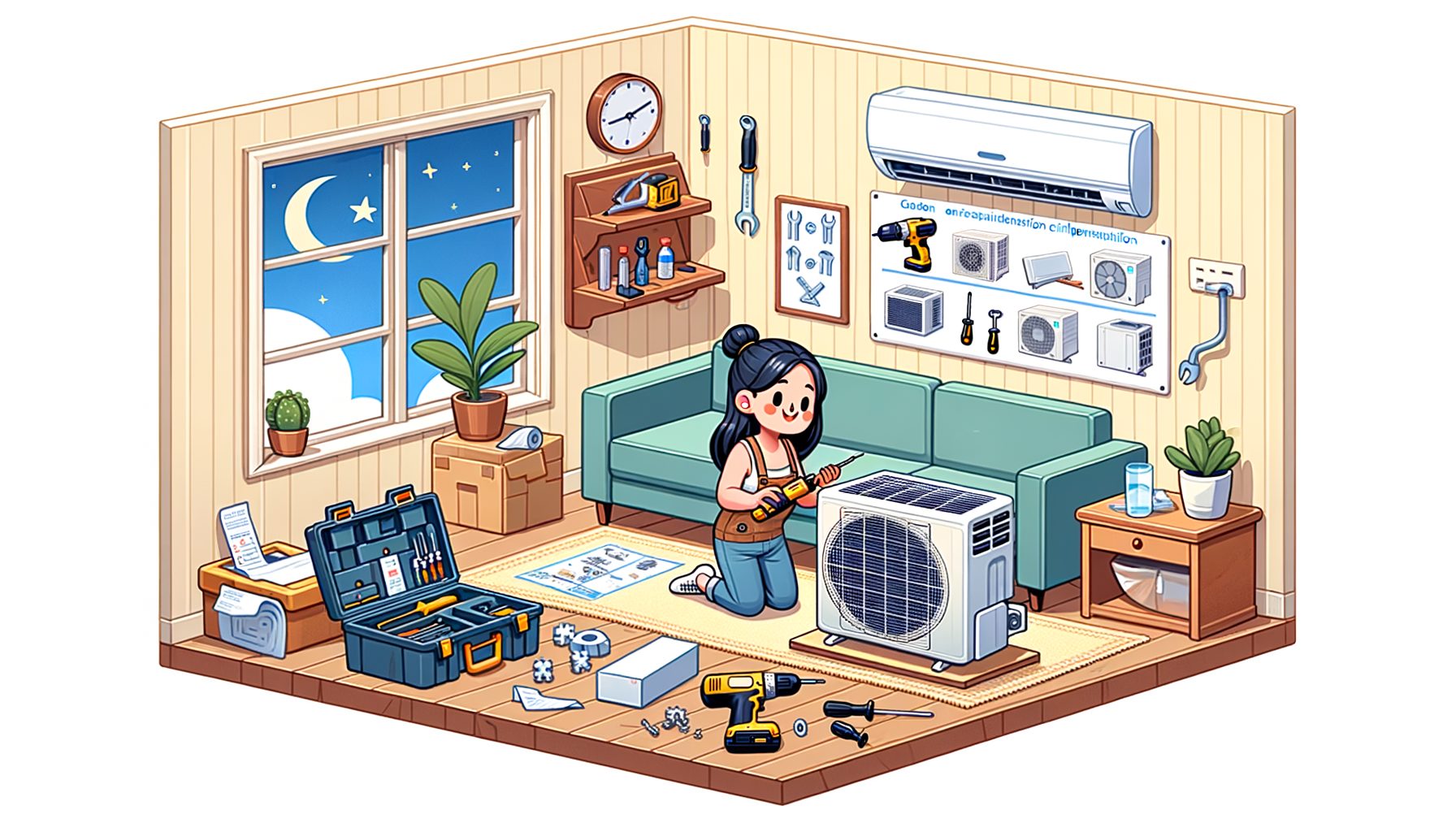
Summer heat, small spaces, and strict building rules can make apartment AC installation feel intimidating. Landlord approval, limited electrical capacity, and the risk of noisy neighbors add pressure, so many renters and owners hesitate—and end up sweating through the hottest months. The guide below simplifies the entire process. You will learn how to choose the right air conditioner for your apartment, how to install it safely, what real costs to expect, and how to keep energy bills low. If you want a cool home without headaches, keep reading—there are smarter options than you might think.
The real problem: Comfort in apartments is harder than it looks
Cooling an apartment is not the same as cooling a house. Space is tight. Windows may be non-standard. Buildings can restrict drilling, outdoor units, and even the visible appearance from the street. Many leases require written approval before adding any air conditioning equipment, and some condominiums or co-ops impose strict noise caps or prohibit exterior changes altogether. In short, the challenge is not only technical—it is also legal and social.
Power constraints add another layer. Older buildings may share circuits or have limited amperage. A 12,000 BTU window unit can draw around 9–12 amps at 115V; add a microwave or hair dryer on the same circuit and you can trip a breaker. In some regions, heatwaves also cause utility demand spikes, so your building may issue notices about energy use or ask residents to avoid high loads at certain times of day. Planning your apartment AC installation means respecting both your panel’s capacity and your building’s policies.
Noise and vibration are common deal breakers. Even efficient units can hum, rattle, or transmit vibration into walls and floors. That sound may be fine for you but annoying for a neighbor above, below, or across the courtyard—especially late at night. Cities often enforce noise ordinances, and buildings can be stricter than the city. Choosing a quiet model and installing it with proper supports and pads prevents complaints and potential fines.
Moisture management is another overlooked issue. Air conditioners remove humidity and produce condensate. Window units usually drain to the outside with a slight tilt. Portable ACs store water in a tank or pump it out. Poor drainage leads to puddles, wall damage, or mold. If your lease holds you responsible for property damage, that small mistake can become expensive.
What’s interesting too, there is efficiency. ACs vary widely in energy use. A modern, high-efficiency unit can save 20–50% on electricity versus an older or poorly chosen model. For many renters and homeowners, the difference between a cheap, inefficient portable unit and an efficient mini-split or ENERGY STAR window AC is the difference between affordable comfort and monthly bill shock. Understanding your options will help you keep cool, legally compliant, and financially sane.
Choosing the right AC for your apartment: Window, portable, through-the-wall, or mini-split?
Picking the right system is the most important decision you will make. The best option depends on your window style, building rules, budget, noise tolerance, and whether you can hire a professional. Broadly, apartment-friendly choices include window ACs, portable ACs, through-the-wall units, and ductless mini-split heat pumps. Each has trade-offs in cost, efficiency, and installation difficulty. Before you buy, check your lease and building guidelines, then measure your room and window precisely.
How big should your unit be? As a quick rule of thumb, start at about 20 BTU per square foot (215 BTU per square meter), then adjust for sun exposure, floor level, heat-generating appliances, and occupancy. A studio of 250–350 sq ft (23–33 m²) may need 6,000–8,000 BTU; a small one-bedroom of 400–600 sq ft (37–56 m²) may need 8,000–12,000 BTU. Oversizing can short-cycle and waste energy; undersizing runs constantly and still feels warm. For a more precise calculation, use a trusted sizing guide like ENERGY STAR’s calculator.
Efficiency and noise matter just as much. For window and portable units, look for CEER (Combined Energy Efficiency Ratio)—higher is better. For mini-splits, SEER2 (cooling) and HSPF2 (heating) score efficiency; again, higher is better. Noise levels are measured in decibels (dB); anything in the low 50s or below at the indoor unit is comfortable for most bedrooms, while premium mini-splits can drop into the 19–30 dB range at low fan speed.
Well, here it is: a quick table to compare common apartment AC types. Costs are general ranges and vary by brand and location.
| Type | Typical Capacity (BTU) | Installed Cost Range | Efficiency Metric | Noise (Indoor) | Install Difficulty | Best For |
|---|---|---|---|---|---|---|
| Window AC | 5,000–12,000 | US$150–$500 (DIY) | CEER 10–15 | ~50–60 dB | Low (no drilling) | Standard double-hung windows; quick, affordable cooling |
| Portable AC (Dual-Hose preferred) | 8,000–14,000 | US$250–$700 (DIY) | CEER 8–10 | ~55–65 dB | Low (vent kit) | Non-standard windows; units you can store off-season |
| Through-the-Wall (sleeve) | 8,000–14,000 | US$600–$1,600 (unit + install) | CEER 9–12 | ~50–60 dB | Medium (wall sleeve; landlord approval) | Long-term units where window use must be preserved |
| Ductless Mini-Split (Heat Pump) | 9,000–18,000 | US$1,800–$5,000 (pro install) | SEER2 16–25+ | ~19–45 dB | High (pro; permits) | Quietest, most efficient; both cooling and heating |
Practical guidance: If you can use a standard window, a modern ENERGY STAR window AC delivers strong value and good efficiency. If your windows are casement or you cannot block egress, a dual-hose portable AC is more flexible (avoid single-hose models if possible; they draw warm air from other rooms and reduce efficiency). If you own the unit and can modify the property, a through-the-wall unit preserves window usability. For premium comfort with the lowest noise and bills, a mini-split is hard to beat, but requires professional installation and building permission.
Before ordering, read the installation manual online to confirm dimensions, clearances, electrical requirements, and any building code notes. A five-minute review can prevent the most common surprise: “It does not fit” or “It trips the breaker.”
Step-by-step apartment AC installation (with safety, compliance, and performance in mind)
Good apartment AC installation starts before you buy anything. Follow these steps to avoid rework, neighbor disputes, and safety risks.
1) Get permission in writing. Review your lease, HOA/strata rules, and building policies. Ask: Are exterior changes allowed? Are window ACs permitted on street-facing façades? Is a mini-split condenser allowed on balconies? Many buildings require proof of insurance and licensed contractors for any refrigerant or electrical work. Keep all approvals in writing.
2) Confirm electrical capacity. Check your panel and outlet rating. Most small window units run on 115–120V with a standard plug, but some larger models or mini-splits need dedicated 230V circuits. Never use lightweight extension cords with ACs. If in doubt, consult a licensed electrician to add a dedicated circuit or verify load capacity.
3) Size the unit. Measure room area and use a reliable sizing chart. Adjust for sun (south/west exposure), kitchen loads, ceilings over 8 ft (2.4 m), occupants (add ~600 BTU per extra person during peak use), and nearby heat sources. ENERGY STAR provides detailed guidance and a calculator you can follow step by step.
4) Window AC install. Dry-fit first. Install the manufacturer’s brackets or support legs; a support bracket is strongly recommended above the first floor for safety and building compliance. Extend side panels and seal gaps with the included foam and weather strips. Tilt the unit slightly outward (usually a few millimeters) to ensure condensate drains outside—never into the room. Add anti-vibration pads between the unit and sill. Secure the sash with the provided safety bracket or a small screw (if allowed) to prevent the window from opening. After powering on, check for rattles, air leaks, and water drops.
5) Portable AC install. Use a dual-hose model if possible for better efficiency. Vent the hoses through a window kit, patio door kit, or a properly sealed wall sleeve. Keep hoses short and untangled to reduce backpressure. Drain condensate per the manual—some units have continuous drain options to avoid tank emptying. Seal any gaps around the vent plate to prevent hot air from re-entering.
6) Through-the-wall unit. That approach requires a wall sleeve, correct framing, and precise sealing to keep water out of the wall cavity. Always seek landlord approval and follow local building codes. Ensure the sleeve is level (or tilted as specified), flash and caulk the exterior, and use closed-cell foam to air-seal. Consider professional installation if you lack experience with cutting exterior walls.
7) Mini-split installation (professional recommended). Mount the indoor unit plate, drill a core hole for the line set and condensate, place the outdoor unit on vibration-isolating pads, and run refrigerant lines with correct flare fittings. A technician should evacuate the system with a vacuum pump to 500 microns or better, verify no leaks, and charge per manufacturer specs. Refrigerant handling is regulated in many countries; using a licensed HVAC pro protects your warranty and ensures environmental compliance.
8) Commissioning and performance check. After 15–20 minutes of operation, measure the temperature difference between air entering and leaving the indoor coil; a typical split is about 8–11°C (15–20°F) under normal humidity. Listen for unusual noises, verify steady condensate drainage, and confirm the circuit breaker stays cool. Set the thermostat to a practical range—around 24–26°C (75–78°F)—for comfort and efficiency.
9) Documentation. Save manuals, serial numbers, receipts, and photos of the installation. If you move, proper documentation helps you reclaim deposits or sell the equipment to the next tenant.
Costs, hidden fees, and ways to save (without sacrificing comfort)
Budgeting for apartment AC includes more than the unit price. Plan for brackets, sealing foam, potential electrical work, and, for mini-splits or wall units, professional labor and permits. As a global reference in USD (your local costs may vary): a basic 6,000–8,000 BTU window AC costs US$150–$350; a good dual-hose portable AC runs US$350–$700; through-the-wall units with sleeve and install often land between US$600–$1,600; and single-zone mini-splits typically range from US$1,800–$5,000 installed, depending on brand, line-set length, and electrical requirements.
Hidden or easily overlooked costs include support brackets (US$25–$80), weatherproofing supplies (US$10–$40), security locks (US$10–$30), and a smart plug or thermostat for scheduling (US$20–$150). If you need a dedicated circuit or outlet upgrade, budget US$150–$800 depending on panel distance and local labor rates. Some jurisdictions require permits for exterior work or refrigerant lines (US$0–$300+). Always ask your landlord or building manager about deposit implications and insurance coverage if you alter the façade.
Energy use is where smart choices pay back. Example: an 8,000 BTU window AC with CEER 12 uses roughly 660 watts. If you run it 6 hours per day for 90 summer days, that’s about 356 kWh. At US$0.20/kWh, your seasonal cost is around US$71. A less efficient portable AC at 1,000 watts under the same schedule uses ~540 kWh, costing ~US$108. Over several years, the difference can exceed the price gap between models. Mini-splits are typically the most efficient per unit of cooling, and many double as heaters in shoulder seasons, replacing space heaters or inefficient radiators and saving money year-round.
Ways to save without sacrificing comfort:
– Choose high-efficiency models (ENERGY STAR for room ACs; high SEER2 mini-splits). The upfront cost often pays back within 1–3 cooling seasons.
– Use smart scheduling. Pre-cool before peak hours, then hold a steady setpoint. Avoid yo-yo temperature swings, which force the compressor to work harder.
– Seal air leaks. Foam strips around the unit, a window draft stopper, and closed-cell foam seals reduce hot air infiltration. Curtains or thermal blinds help a lot on sunny exposures.
– Optimize airflow. Keep 30–60 cm (12–24 inches) of clearance around the intake/exhaust. Clean or wash filters monthly in peak season. Dirty filters can raise energy use by 5–15% and reduce cooling performance.
– Check rebates and incentives. Many utilities offer rebates for ENERGY STAR room ACs or heat pump mini-splits. In the U.S., start with the ENERGY STAR Rebate Finder. Other countries often provide utility or regional incentives—your power provider’s website is the best first stop.
– Consider long-term value. If you plan to stay two or more years, a quiet, efficient system (like a mini-split) often delivers lower lifetime cost than buying and running a less efficient unit every summer.
Quick Q&A: common apartment AC installation questions
Q: Do I need landlord or HOA permission?
A: Usually yes. Window ACs can change the building exterior and affect egress. Through-the-wall and mini-splits almost always require written approval and sometimes permits. Get clarity in writing before you buy.
Q: What size AC do I need for a studio?
A: Many studios (250–350 sq ft or 23–33 m²) are comfortable with 6,000–8,000 BTU, adjusted for sun exposure, ceiling height, and occupancy. Use a trusted sizing guide and avoid oversized units that short-cycle.
Q: Can I install a mini-split in a rental?
A: Sometimes. You will need landlord approval, likely a licensed HVAC installer, and compliance with local codes. The payoff is low noise and high efficiency, plus possible heating capability.
Q: How can I reduce noise and vibration?
A: Choose quieter models, use anti-vibration pads, ensure a snug, level installation, and seal gaps. Keep the fan on lower settings at night. For mini-splits, locate the outdoor unit away from bedroom windows and use isolation mounts.
Q: Is a dual-hose portable AC really better?
A: Yes, in most cases. Dual-hose designs exhaust hot air and draw makeup air from outside, reducing negative pressure that pulls hot air from other rooms. That design improves efficiency and comfort compared to single-hose units.
Helpful links for further reading:
– ENERGY STAR Room Air Conditioners
– U.S. DOE: Room Air Conditioners
– WHO Environmental Noise Guidelines (Europe)
– ENERGY STAR Rebate Finder (US)
– AHRI Directory (performance ratings)
Conclusion: cool smarter, not harder
Here is the bottom line: apartment AC installation is absolutely doable when you follow a plan. First, define your constraints—lease rules, window type, and electrical capacity. Next, choose the right equipment for your situation: a modern ENERGY STAR window AC for unbeatable value, a dual-hose portable for flexibility, a through-the-wall unit to keep your window usable, or a ductless mini-split for premium comfort, low noise, and year-round efficiency. Then this: install with intention—support brackets for safety, proper sealing for efficiency, correct drainage for durability, and a sensible setpoint to keep your bills in check. Along the way, document approvals, read the manual, and do a quick performance check so you know your system is running at its best.
If you are ready to act, take these steps today: 1) Measure your room and window; 2) Check your lease and ask for written permission; 3) Use an official sizing tool to pick capacity; 4) Choose a high-efficiency unit and order the needed accessories (bracket, foam seals, smart plug); 5) Schedule a licensed pro if you are going with a mini-split or through-the-wall unit; 6) Set a calendar reminder to clean filters monthly during peak season. Two hours of planning now can save you days of frustration—and years of high energy bills.
Comfort does not have to be complicated. With the right choice and a careful installation, you can enjoy quiet, reliable cooling even in a small apartment with strict rules. Start your plan, get the green light, and make your space a cool, calm refuge this summer. What is the first room you will make perfectly comfortable?
Sources
– ENERGY STAR. Room Air Conditioners: Buying Guidance and Sizing. https://www.energystar.gov/products/room_air_conditioners
– U.S. Department of Energy, Energy Saver. Room Air Conditioners. https://www.energy.gov/energysaver/room-air-conditioners
– World Health Organization. Environmental Noise Guidelines (Europe). https://www.who.int/europe/publications/i/item/9789289053563
– AHRI Directory of Certified Product Performance. https://www.ahridirectory.org/
– U.S. EPA (for refrigerant handling rules; check your country’s equivalent). https://www.epa.gov/section608