
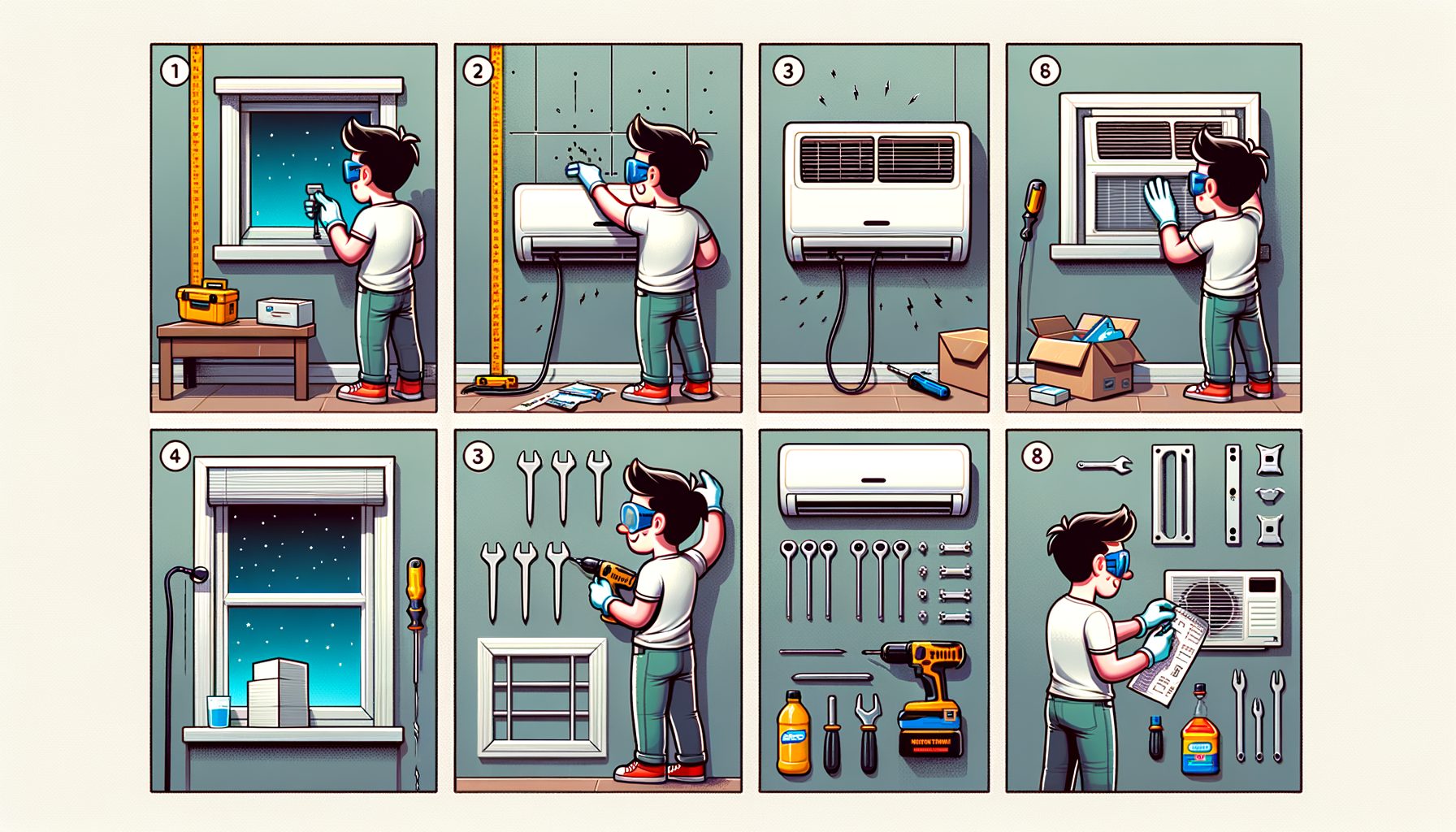
If you’re planning an air conditioner installation, the biggest risk isn’t the brand you pick—it’s the prep you skip. Many homeowners and renters rush into a new AC without a clear checklist. That mistake can lead to oversizing, higher bills, comfort issues, or failed inspections. Here’s a straightforward, professional, globally relevant checklist to make your installation smooth, smart, and future-proof.
Size It Right: Load, Climate, and Home Realities
Before any purchase, sizing comes first. An AC that’s too big cools fast but fails to dehumidify, leaving rooms clammy and uncomfortable. Go too small and the unit runs constantly, burning energy and still falling behind on the hottest days. Proper sizing begins with a load calculation—called Manual J in North America—which estimates cooling needs from insulation, windows, airtightness, sun exposure, occupancy, and local climate. Even outside the U.S., the principle holds: calculate the cooling load; don’t guess.
Have installers perform or reference a formal load calculation rather than relying on a “square meters/square feet” rule of thumb. A modern, efficient home with strong insulation and low solar gain may require far less capacity than an older home with single-pane windows and air leaks. Renters can still check the basics: does afternoon sun bake certain rooms? Are there long west-facing windows with minimal shading? Do doors and windows seal tightly? These real-world details influence comfort far more than a logo on the unit.
Climate matters—a lot. In hot-humid regions, latent load (humidity) is as important as temperature. In hot-dry areas, airflow and filtration may take priority. Mixed or temperate climates often benefit from variable-speed systems that ramp up and down, boosting comfort and efficiency. Considering a heat pump for both heating and cooling? Look for cold-climate models that maintain capacity at low outdoor temperatures.
Oversizing is common—and costly. Short cycling (frequent starts and stops) wears out components and wastes energy. When right-sized, equipment lasts longer, runs quieter, and feels better. As a quick sanity check, compare quotes: if one installer proposes a much larger unit without a calculation, ask why. Zoning can also help when rooms have very different heat gains—think a glassy sunroom versus a shaded bedroom.
Think ahead, too. If you plan to add insulation, seal air leaks, or add window shading soon, tell your installer. An improved building envelope lowers required capacity, cutting upfront cost and saving money for years.
Prep the Infrastructure: Electrical, Ducts, Drainage, and Location
Once the system is sized, confirm your home’s infrastructure can support it. Start with the electrical panel. Most split-system condensers and heat pumps need a dedicated 240 V circuit (or 220–240 V depending on your region), a correctly sized breaker, and an outdoor disconnect. Your installer should verify wire gauge, breaker compatibility, and grounding. Non-negotiable—code compliance and safety depend on it. If the panel is crowded or undersized, schedule an electrical upgrade.
Next up: ductwork for central systems. Leaky or undersized ducts can wipe out the gains of a high-efficiency unit. Ask for a static pressure test and a quick duct audit. Repairs might include mastic sealing, added returns, resizing restrictive runs, or upgrading filters to a properly sized media cabinet. A classic mistake pairs a fancy new AC with an old, constricted return—end result: poor airflow and noise. Going ductless (mini-split)? Confirm indoor head locations allow good airflow and easy cleaning, and that line sets can run neatly in UV-resistant covers.
Condensate management can’t be ignored. Every cooling system removes moisture. Gravity drains must be sloped correctly; if they can’t be, plan for a reliable condensate pump with an overflow safety switch. A clogged or poorly routed drain invites leaks, mold, and ceiling damage—small expense now, big headache later. In multi-floor apartments, verify building rules for routing drains and lines.
Outdoor unit placement matters. Provide clearance on all sides (often 30–60 cm/12–24 in at the sides and 150 cm/60 in above—see your manufacturer’s manual). Mount it on a sturdy pad or wall bracket, away from dryer vents and roof runoff. In cyclone or hurricane-prone areas, add tie-down kits. Snowy climates call for elevating the unit above drifting snow. Noise counts too—avoid walls that reflect sound toward bedrooms, keep neighbors in mind, pick models with lower dB ratings, and consider anti-vibration pads.
Plan the refrigerant line route carefully. Shorter, straighter runs perform better. Replacing an R‑410A system with a unit using a newer refrigerant (such as R‑32 or R‑454B) may require new line sets, compatible oils, and precise evacuation and charging. Insist on proper vacuum levels verified with micron gauges and a documented, leak-free start-up—long-term performance depends on these details.
Pick the Right System: Central, Ductless, or Heat Pump—and How Efficiency Pays Back
Choose the system type with your space and long-term plans in mind. Central AC suits homes with sound, well-designed ducts. Ductless mini-splits shine in apartments, retrofits, and homes that need zoned comfort. Heat pumps deliver both cooling and heating, often cutting bills and emissions year-round—especially when paired with good insulation and a smart thermostat. For cold winters, select “cold-climate” or low-ambient models rated to maintain capacity at sub-zero temperatures.
Efficiency metrics vary by region, but you’ll commonly see SEER2 (seasonal cooling efficiency), EER2 (efficiency at a specific outdoor condition), and HSPF2 (heating efficiency for heat pumps). Higher numbers mean less energy for the same comfort. Variable-speed/inverter compressors maintain steadier temperatures, reduce noise, and manage humidity better than single-stage units. They also guard against short cycling, extending equipment life.
Refrigerants are in transition. Many regions are phasing down high-GWP gases, with R‑32 and R‑454B increasingly replacing R‑410A. Ask about safety classifications, service availability, and future-proofing. Lower-GWP options help the climate and may qualify for incentives. Consider indoor air quality as well: right-sized filters (MERV 8–13, or local equivalent), dedicated ventilation, and dry-mode/dehumidification features can transform comfort in sticky seasons.
Numbers help make the case for higher efficiency. Below is an example for a 2-ton (≈7.0 kW) system, assuming 1,000 cooling hours per year. Actual results vary by climate, home design, and energy prices, but the relationships are similar.
| Efficiency (SEER2) | Approx. Power at Full Load (W) | Annual Use at 1,000 Hours (kWh) | Estimated Cost at $0.15/kWh (USD) | Estimated CO₂ at 0.45 kg/kWh |
|---|---|---|---|---|
| 14 | 24,000 BTU/h ÷ 14 ≈ 1,714 | ≈ 1,714 | ≈ $257 | ≈ 771 kg |
| 18 | 24,000 ÷ 18 ≈ 1,333 | ≈ 1,333 | ≈ $200 | ≈ 600 kg |
| 22 | 24,000 ÷ 22 ≈ 1,091 | ≈ 1,091 | ≈ $164 | ≈ 491 kg |
Beyond energy use, weigh noise (indoor < 40 dB in quiet modes is excellent for bedrooms), warranty length (compressor and parts), and smart controls. Confirm compatibility with your preferred thermostat or app and whether the system supports open standards. For deeper guidance, see ENERGY STAR’s AC and heat pump resources at energystar.gov and regional efficiency programs.
Permits, Quotes, Rebates, and the Final 24-Hour Checklist
Surprises on install day often trace back to paperwork. Many cities require a permit for a new or replacement AC or heat pump. Your installer may handle it, but ask to see the permit number and any required inspections. In multi-unit buildings, secure written approval for equipment placement, noise limits, and line set routes. Keep warranty terms handy—some manufacturers require registration within a set window after installation.
Gather at least three written quotes. Each should include: a load calculation summary, model numbers, capacity in kW or tons, efficiencies (SEER2/EER2/HSPF2), scope (new line set or flush and reuse), duct repairs, electrical work, condensate solution, permits, and disposal of old equipment. Ask about commissioning steps: nitrogen pressure test, deep vacuum with a verified micron level, weighed-in charge per manufacturer spec, and documented temperature/pressure readings. If a bid is far cheaper but skips these steps, treat it as a red flag.
Money matters—research incentives early. Many countries and regions offer rebates or tax credits for high-efficiency ACs and heat pumps. In the U.S., see the Department of Energy’s rebate and tax credit information at energy.gov/save. In the EU, check national programs or local energy agencies. Utilities often provide peak-time or demand-response incentives for smart thermostats. Plan your payment schedule with a small deposit, a progress payment after rough-in, and a final payment after passing inspection and receiving the commissioning report.
Schedule wisely. Summer heat waves book installers weeks ahead. Off-season installs can be cheaper and less stressful. Confirm lead times for equipment, pads/brackets, permits, and electrical work. The day before installation, clear work areas, secure pets, and reserve parking. If roof access is needed, alert neighbors or building management. Back up thermostat settings and home automations if you’re replacing a smart thermostat.
Final 24-hour checklist: confirm the arrival window and team size; lay down protective floor coverings or ask the crew to; verify that model numbers on arrival match the quote; ensure the outdoor unit location is level and stable; look for a clean, sloped condensate drain with a safety switch; request photos of line set routing before any chases are closed; and before the crew leaves, review startup data, register warranties, and learn basic maintenance like filter changes and indoor unit cleaning.
Quick Q&A
Q: How long does a typical home AC installation take? A: Most single-system replacements finish in 4–8 hours. More complex projects—with new ducts, electrical upgrades, or multi-split systems—can run 1–3 days. Permits and inspections may add extra time.
Q: Do I need to replace my ducts when I replace my AC? A: Not always. If ducts are well sized, sealed, and clean, they can stay. That said, many older ducts are leaky or restrictive. Ask for a static pressure test and be prepared to seal or resize if needed.
Q: Is a heat pump worth it if I already have gas heating? A: Often, yes. A heat pump can handle most heating hours efficiently, with your gas system serving as backup during very cold snaps. Savings depend on local gas and electricity prices and your climate.
Q: What maintenance keeps my new AC efficient? A: Change or clean filters on schedule, keep coils and outdoor fins clean, ensure clear drains, and schedule annual professional service to check refrigerant charge, electrical connections, and airflow.
Conclusion
You now know how to prepare for an air conditioner installation the right way: size based on real load, ready the electrical and ductwork, choose the system type and efficiency that fit your climate and lifestyle, and line up permits, quotes, and incentives. We also covered the details that make or break comfort—humidity control, quiet operation, proper drainage, and careful refrigerant handling—and wrapped with a practical final-day checklist and common Q&As.
Next steps are simple. Ask your shortlisted installers for a load calculation and a detailed, itemized quote that includes commissioning steps. Walk your home, note sun exposure, window shading, and any drafty spots, and share those notes with your contractor. Check local incentives and, if possible, schedule your installation before peak season.
Your comfort and costs for the next 10–15 years will be shaped by the prep you do this week. A few informed choices—right size, smart placement, verified commissioning—deliver cooler rooms, quieter nights, and lower bills. Ready to breathe easier and spend smarter? Start your checklist today and pick your first step: load calculation, quotes, or scouting the perfect outdoor location.
Helpful Links
ENERGY STAR: Heating & Cooling Buying Guidance
U.S. Department of Energy: Save Energy and Money at Home
U.S. EPA: Refrigerant Transition and Management
ASHRAE Standards (comfort, ventilation, and performance)
WHO: Indoor Air Quality and Health
Sources
ENERGY STAR. Heating & Cooling. https://www.energystar.gov/products/heating_cooling
U.S. Department of Energy. Energy Saver and Rebates. https://www.energy.gov/save
U.S. Environmental Protection Agency. Refrigerant Transition. https://www.epa.gov/section608/refrigerant-transition
ASHRAE. Standards and Guidelines. https://www.ashrae.org/technical-resources/ashrae-standards
International Energy Agency (IEA). The Future of Cooling. https://www.iea.org/reports/the-future-of-cooling