
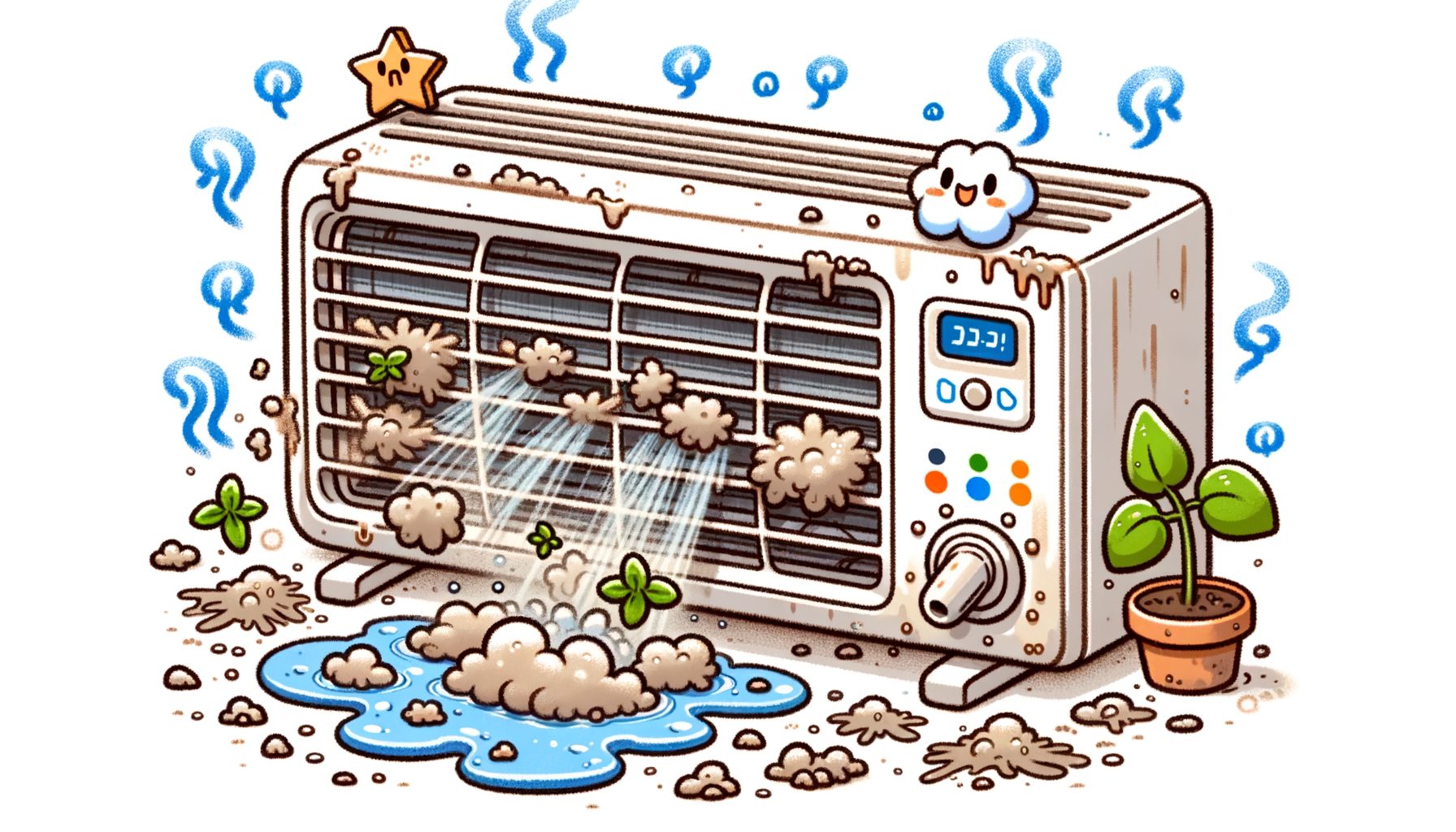
If you’re sweating through longer cool-down times, noticing odd smells, or paying more for the same comfort, your system might be telling you something important: your air conditioner needs deep cleaning. Here’s a guide to the clearest, telltale warning signs your air conditioner needs deep cleaning—and what to do next. Whether you run a split AC, window unit, or central system, the clues are remarkably similar. Read on to learn how to spot problems early, avoid energy waste, and breathe cleaner air without guesswork.
Cooling Power Is Down: Long Cycles, Weak Airflow, and Uneven Room Temperatures
The first and most common red flag is performance drop. When your home takes noticeably longer to cool than it used to, that’s often the AC equivalent of a “check engine” light. A dirty filter, dust-loaded evaporator coil, and gunked-up blower wheel restrict airflow, forcing the unit to run longer to reach the same setpoint. ENERGY STAR reports that clogged filters can increase energy use by 5–15%, and in real-world homes that can translate to 10–30% longer runtimes during hot days. In short: dirt steals cooling power.
Start with a simple test. Place a thermometer at the return grille (where air enters the system) and one at the nearest supply vent (where cold air blows out). A healthy system typically delivers a supply temperature that’s about 8–12°C (14–22°F) cooler than the return. If your drop is consistently smaller (say 5–7°C or 9–12°F), the system may be starved for airflow from a blocked filter or a coil lined with dust and biofilm. If it’s dramatically larger and airflow is weak, icing on the coil could be present—often a sign of severe dirt buildup or other issues that a technician should check.
Also keep an eye on room-to-room comfort. Dirty systems rarely distribute air evenly. One bedroom may stay warm or a living room might cool only after hours of runtime. Visual inspections help: with power off, open your air handler or indoor unit and look for matting on the coil fins, gray dust on the blower wheel, or a slime-like film on the condensate pan. Even a thin layer can act like a blanket on the coil, blocking heat transfer and reducing capacity. Registers and returns packed with lint or pet hair reduce effective airflow. When airflow drops, your compressor and fan work harder, which shortens their life and raises your bill.
Two quick wins: replace the filter (monthly checks are smart, especially with pets or in dusty regions) and vacuum or wipe supply and return grilles. If you can see the evaporator coil, use a soft brush or a no-rinse coil cleaner recommended by your manufacturer. Harsh chemicals or high-pressure sprays can bend fins, so avoid them. When the coil looks impacted or you see ice, schedule professional service before running the unit again. Restored airflow often brings immediate improvements: faster cool-downs, steadier temperatures, and quieter operation.
Musty Odors, Dust Bursts, and Sticky Humidity: IAQ Signals You Shouldn’t Ignore
Your nose and lungs are honest sensors. A musty or “dirty sock” smell when the AC starts usually points to microbial buildup on the evaporator coil and in the drain pan—common in humid climates or where the system short-cycles. A sour-vinegar odor can also indicate bacterial growth. A burning or acrid smell at first start after downtime may be dust on the heater strip or electrical issues; if it persists, power down and have a pro inspect it. Visible black or green specks near vents, or puffs of gray dust after the fan kicks on, are additional signs of contamination and neglected cleaning.
Humidity amplifies everything. When coils are dirty, they remove less moisture, and indoor relative humidity (RH) can sit above 60%. That sticky feeling, foggy windows, or condensation around vents are symptoms that the coil isn’t doing its dehumidifying job efficiently. Elevated humidity encourages mold colonies in the pan, drain line, and even ductwork. The U.S. Environmental Protection Agency (EPA) notes that excess moisture indoors can worsen asthma and allergies and degrade overall indoor air quality. Notice more sneezing, irritation, or headaches when the AC runs? A deep clean can be a health upgrade as much as a comfort fix.
Focus on the water path. The condensate drain line is a frequent trouble spot; algae and biofilm can create clogs that cause pan overflows or intermittent shutoffs. With power off, detach the drain access and flush with warm water followed by a small amount of distilled vinegar to discourage regrowth. Bleach on or near the coil should be avoided—it can corrode metals and harm finishes. When a pan is rusty or full of sludge, professional cleaning and possibly pan replacement may be needed.
If odors return quickly after a basic clean, consider upgrading your filter (check your blower’s static pressure limits before jumping to higher-MERV options) and running the fan on “Auto” rather than “On” so coils can fully drain between cycles. In persistently humid regions, a dedicated dehumidifier or longer, gentler cooling cycles can help. What’s interesting too: some homeowners add UV-C lamps designed for HVAC coils to curb microbial growth; if you go that route, choose products specifically rated for HVAC use and follow safety guidelines. The goal isn’t to perfume the air—it’s to remove the source of smells by restoring a clean, dry, and well-drained cooling surface. For more on indoor air quality, see EPA’s IAQ guidance: https://www.epa.gov/indoor-air-quality-iaq
Rising Bills, New Noises, and a Smart Cleaning Plan: From Diagnosis to Action
When your utility bill climbs despite similar weather, dirt is a prime suspect. Studies and field data show that fouled coils and fans can drive 5–25% higher energy use. If you track cooling degree days (many weather apps and utilities provide this), compare last month’s DDs to your bill. Similar DDs with a higher bill usually point to reduced efficiency rather than hotter weather. Meanwhile, your ears offer clues: whistling can mean a clogged filter or air leaks around the filter door; rattling may be loose panels from repeated service or vibration; grinding or screeching suggests blower motor or bearing issues; persistent hissing near the indoor or outdoor unit could signal a refrigerant leak—time to call a pro immediately.
Well, here it is: a quick-reference table to match common symptoms with likely causes and first steps. Treat it as a triage map—not a final diagnosis.
| Symptom | Likely Cause | Risk Level | Quick Action |
|---|---|---|---|
| Weak airflow, long cycles | Dirty filter, dusty coil/blower | Medium | Replace filter; clean coil and grilles |
| Musty odor on startup | Microbial growth on coil/drain | Medium | Flush drain; clean coil; improve RH control |
| Sudden bill spike | Fouled coil/fan, short-cycling | Medium–High | Deep clean; verify thermostat and airflow |
| Ice on lines or evaporator | Severe dirt, airflow blockage, or low refrigerant | High | Power off; call a licensed technician |
| Burning or fishy smell | Electrical issue or overheated dust | High | Power off; professional inspection |
DIY, done safely, can restore a lot of performance. Here’s a simple, globally applicable routine that takes 30–60 minutes for most systems: power off the breaker; replace or wash the filter; vacuum supply and return grilles; clear debris around the outdoor unit for at least 60 cm (24 in) all around; gently rinse the outdoor coil from the inside out with low-pressure water; flush the condensate drain with warm water and a cup of distilled vinegar; inspect the indoor coil and use a manufacturer-approved no-rinse cleaner if accessible; let everything dry before restoring power. For brand-specific steps, check your manufacturer’s guidance, such as Daikin’s maintenance tips: https://www.daikin.com/support
When should you call a pro? Spot ice, hear grinding, smell anything electrical, measure an abnormal temperature split after a new filter, or suspect a refrigerant issue? Call. Deep coil cleaning that requires partial disassembly is best left to trained technicians. An annual professional service can pay back quickly through lower energy use and fewer breakdowns. For broader efficiency tips, see ENERGY STAR’s HVAC guidance: https://www.energystar.gov/campaign/heating_cooling
How often should you clean? Climate and usage matter. Then this: use the table below as a practical starting point.
| Climate/Usage | Filter Check/Change | Coil & Drain Cleaning | Potential Energy Savings |
|---|---|---|---|
| Hot & Humid (daily use) | Check monthly; change 1–2 months | Every 6 months | 5–15% from clean filters/coils |
| Hot & Dry (dusty) | Check monthly; change 1–3 months | Every 6–12 months | 5–15% plus better airflow |
| Moderate (seasonal use) | Check every 2–3 months | Annually before season | 3–10% and fewer service calls |
| Heavily occupied/pets | Check monthly | Every 6–12 months | 5–15% plus improved IAQ |
For global energy insights on cooling demand and efficiency, explore the International Energy Agency: https://www.iea.org/topics/cooling
Conclusion: Clean Now, Breathe Better, Pay Less
Here’s the bottom line: long cycles, weak airflow, musty odors, sticky humidity, new noises, and unexplained bill spikes are the clearest signs your air conditioner needs deep cleaning. Dirt blocks airflow, biofilm undermines dehumidification, and neglected drains breed odors and clogs. The fix is straightforward—restore a clean air path, keep water moving out, and let heat transfer happen freely again. The payoff is real: faster cool-downs, quieter operation, healthier indoor air, and lower energy costs.
Act today. Block off 45 minutes to replace your filter, vacuum vents, clear the outdoor unit, flush the drain, and, if accessible, clean the coil with a manufacturer-approved no-rinse cleaner. Then measure your temperature split and note how quickly your space reaches setpoint over the next few days. Spot ice, smell anything electrical, or find your temperature split still off? Schedule a professional service. Filters should be checked monthly during heavy use, and semiannual cleaning fits humid or dusty regions.
Renting? You still have power: keep filters clean, report odors and humidity issues promptly, and share a simple maintenance checklist with your landlord or property manager. Everyone benefits—lower bills, fewer breakdowns, and cleaner air. For additional guidance on indoor air quality, review EPA resources (https://www.epa.gov/indoor-air-quality-iaq), and check ENERGY STAR’s HVAC pages for maintenance best practices (https://www.energystar.gov/campaign/heating_cooling). Considering upgrades like UV-C lamps or higher-MERV filters? Verify compatibility with your system and follow manufacturer recommendations.
Comfort shouldn’t be complicated or costly. A clean AC is a resilient AC—ready for heat waves, friendly to your wallet, and kind to your lungs. Start with the small steps you can do now, and call in pros when the signs point beyond DIY. Ready to reclaim crisp, clean cooling? Put a filter change on today’s to-do list, and set a reminder for your next deep clean. You’ve got this—what’s the first quick win you’ll knock out this week?
Quick Q&A
How often should I deep clean my AC?
In humid or dusty climates, every 6 months is smart. In moderate climates with seasonal use, aim for a deep clean annually before peak season. Check filters monthly and change them as needed.
What’s the difference between regular cleaning and professional servicing?
Regular cleaning covers filters, vents, outdoor coil rinsing, and drain flushing. Professional servicing adds disassembly for coil cleaning, refrigerant checks, electrical testing, and airflow/pressure measurements.
Can I pressure wash the coils?
No. High pressure can bend fins and force water into electronics. Use low-pressure water and coil-specific cleaners, and follow your manufacturer’s instructions.
I’m a renter—what can I do?
Replace or clean filters, keep vents clear, and report odors, leaks, or humidity problems. Share maintenance requests in writing with your landlord; many leases require owners to maintain safe, functional HVAC systems.
Are UV lights worth it?
Coil-mounted UV-C can reduce microbial growth on coils, especially in humid climates. They don’t replace cleaning and filters, but can reduce odors and maintenance frequency if properly installed and maintained.
Sources
ENERGY STAR: Heating & Cooling Maintenance — https://www.energystar.gov/campaign/heating_cooling
U.S. EPA: Indoor Air Quality — https://www.epa.gov/indoor-air-quality-iaq
International Energy Agency: Cooling — https://www.iea.org/topics/cooling
ASHRAE (HVAC standards and guidance) — https://www.ashrae.org
Daikin Global: Support & Maintenance — https://www.daikin.com/support